
For many newly qualified nurses, the first few years after registration are focused on building confidence, developing clinical skills, and gaining hands-on experience in healthcare settings.
However, an increasing number of newly registered nurses are also beginning to explore opportunities beyond traditional nursing roles, with aesthetic medicine becoming one of the fastest-growing and most exciting career pathways in the UK.
If you’re a qualified nurse wanting to start aesthetics, you’re not alone.
The aesthetics industry offers nurses opportunities for:
- Greater flexibility
- Additional income streams
- Career progression
- Improved work-life balance
- The chance to combine clinical knowledge with confidence-boosting patient care
In this guide, we explore how newly qualified nurses can move into aesthetic practice, the best beginner training routes, and how to start building confidence safely and professionally.
Can Newly Qualified Nurses Work In Aesthetics?
One of the most common questions newly registered nurses ask is:
“Can I start aesthetics as a newly qualified nurse?”
The answer is yes.
There is currently no legal requirement to have a certain number of years’ nursing experience before entering aesthetic medicine.
However, aesthetics should always be approached as a professional clinical speciality rather than a quick route into business.
The most successful aesthetic practitioners focus on:
- High-quality education
- Safe patient care
- Ongoing learning
- Clinical confidence
- Professional development
Many nurses begin aesthetics shortly after qualification while continuing to work within the NHS or private healthcare settings.
This gradual approach allows nurses to gain experience, confidence, and financial security while building aesthetic skills alongside their nursing career.
Thinking about aesthetics as a newly qualified nurse?
Explore beginner aesthetic courses at You Can Clinic and discover the safest, most supportive route into aesthetic practice.
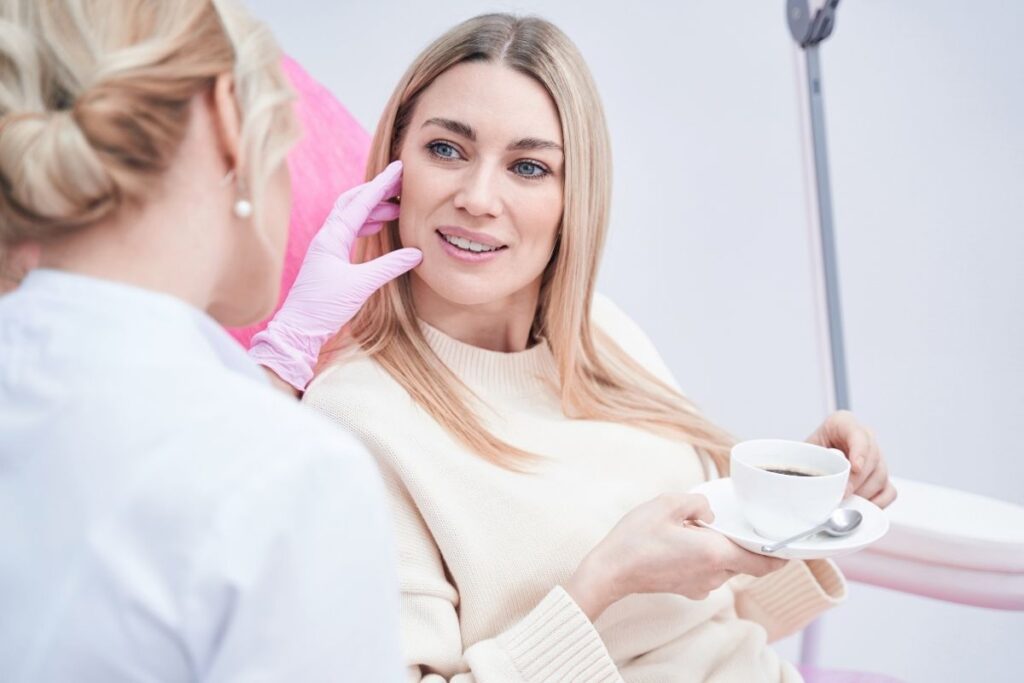
Why Are So Many Newly Qualified Nurses Moving Into Aesthetics?
The appeal of aesthetics is easy to understand, especially for the newly qualified aesthetic nurse seeking more flexibility and career variety.
Greater Flexibility
Traditional nursing often involves:
- Long shifts
- Weekends
- Night work
- Rotational patterns
- Limited schedule control
Aesthetic medicine can offer greater control over working hours and clinic availability.
Many nurses begin by seeing clients during evenings or weekends while continuing their nursing role before gradually increasing clinic days.
This flexibility is one of the biggest reasons newly qualified nurses begin exploring aesthetics early in their careers.
Additional Income Opportunities
For many newly qualified nurses, finances are a genuine consideration.
Aesthetics can become a valuable additional income stream, helping nurses:
- Supplement earnings
- Save towards personal goals
- Create financial flexibility
- Build long-term independence
Many practitioners start part-time before deciding whether aesthetics becomes a larger part of their career.
Career Development
Aesthetic medicine is constantly evolving.
New technologies, regenerative treatments, and advanced skin therapies mean practitioners are continually learning and developing new skills.
Growth areas include:
- Skin rejuvenation
- Regenerative aesthetics
- Hair restoration
- Medical-grade skincare
- Injectable procedures
For ambitious nurses who enjoy learning, aesthetics offers exciting long-term career opportunities.
Strong Patient Relationships
Unlike some healthcare settings where patient interactions may be brief, aesthetics often involves longer-term relationships.
Patients regularly return for:
- Reviews
- Maintenance treatments
- Skincare plans
- Ongoing advice
Many practitioners find this aspect of aesthetics especially rewarding.
Do Newly Qualified Nurses Need Extra Qualifications?
Your nursing qualification already gives you an excellent clinical foundation.
As a registered nurse, you already understand:
- Patient assessments
- Consent procedures
- Infection control
- Communication skills
- Clinical documentation
- Professional accountability
These transferable skills make nurses particularly well suited to aesthetic medicine.
However, specialist training is still essential.
To practise safely and professionally, newly qualified nurses must complete recognised aesthetic training before treating patients independently.
The key is choosing education that prioritises safety, practical confidence, and progressive learning.
What Are the Best Beginner Aesthetic Courses for Nurses?
One of the biggest mistakes beginners make is assuming they need to jump straight into advanced injectables.
In reality, confidence is often built most effectively by starting with beginner-friendly treatments.
The best beginner aesthetic courses help newly qualified nurses develop consultation skills, patient confidence, and treatment experience gradually.
Microneedling
Microneedling is among the most popular entry-level treatments in aesthetics.
Benefits include:
- High patient demand
- Strong treatment outcomes
- Relatively low startup costs
- Excellent profit potential
These treatments also help nurses gain confidence in:
- Patient consultations
- Skin assessments
- Treatment planning
- Patient aftercare
For many nurses, microneedling provides the ideal first step into aesthetics.

Skin Boosters
Skin boosters continue to grow in popularity as patients increasingly seek natural-looking rejuvenation.
These treatments support:
- Skin hydration
- Improved texture
- Healthy glow
- Long-term skin quality
For newly qualified nurses, skin boosters provide an excellent introduction to injectable aesthetics while maintaining a strong focus on natural outcomes.
Polynucleotides
Regenerative aesthetics is one of the fastest-growing sectors within cosmetic medicine.
Polynucleotides support:
- Skin repair
- Collagen production
- Improved hydration
- Better skin quality
Patients are increasingly moving towards regenerative treatments rather than dramatic cosmetic changes, making polynucleotides a highly valuable skill to learn early.
Peri-Orbital Rejuvenation
The under-eye area remains one of the most common patient concerns.
Training in peri-orbital rejuvenation allows practitioners to address:
- Fine lines
- Tired-looking eyes
- Skin quality concerns
- Signs of ageing around the eyes
As demand for subtle rejuvenation continues to grow, this treatment area presents exciting opportunities for aesthetic practitioners.
Medical Management of Hair Loss
Hair restoration continues to grow in popularity among both male and female patients.
Learning medical approaches to hair loss management can help practitioners diversify treatment offerings while meeting increasing patient demand.
Should Newly Qualified Nurses Start Aesthetics Part-Time?
For most nurses, the answer is yes.
Building aesthetics alongside nursing provides several important advantages.
Financial Stability
Keeping your nursing role allows financial security while your aesthetics business develops.
Continued Clinical Experience
Working within healthcare settings helps maintain and strengthen essential clinical skills.
Confidence Building
Developing aesthetics gradually reduces pressure and allows confidence to build naturally.
Time to Grow a Client Base
Most successful aesthetic practitioners build patient relationships over time.
Many clinic owners started by offering treatments during evenings or weekends before eventually increasing clinic hours.
There is no pressure to rush.
What About Insurance?
Before treating patients independently, newly qualified nurses must secure professional aesthetic insurance.
Most insurers typically require:
- Active NMC registration
- Recognised training certificates
- Evidence of course completion
This is another reason why choosing a reputable academy matters.
Quality training providers ensure delegates complete recognised courses that meet professional requirements.
Why Ongoing Support Matters in Aesthetics
One of the biggest concerns newly qualified nurses have when entering aesthetics is confidence.
Questions such as:
- What if I need clinical advice?
- What if I encounter complications?
- How do I know which products to choose?
are completely normal.
This is why ongoing support after training matters so much.
The best academies provide support long after the training day ends through:
- Clinical guidance
- Product recommendations
- Progression pathways
- Further education
- Business development advice
Strong support can make the transition into aesthetics feel significantly less overwhelming.
Why Choose You Can Clinic?
At You Can Clinic, we specialise in helping healthcare professionals confidently move into aesthetic medicine.
We understand that entering aesthetics as a newly qualified nurse can feel exciting, but also daunting.
That’s why our training focuses on creating confident, competent practitioners through supportive, practical education.
Hands-On Practical Experience
We believe confidence comes through practical learning.
Delegates receive supervised experience designed to prepare them for real-world clinical practice.
Small Group Training
Smaller class sizes mean:
- More individual support
- Greater practical opportunities
- Better trainer interaction
- Increased confidence
Beginner-Friendly Learning Pathways
Whether you want to start with skin treatments or eventually progress into injectables, our beginner pathways are designed to help you grow safely.
Ongoing Support
Training doesn’t stop after course day.
Many delegates value the continued support available as they begin treating patients and growing their confidence.
Ready to take your first step? Explore upcoming beginner aesthetic courses at You Can Clinic and start building your future in aesthetics today.
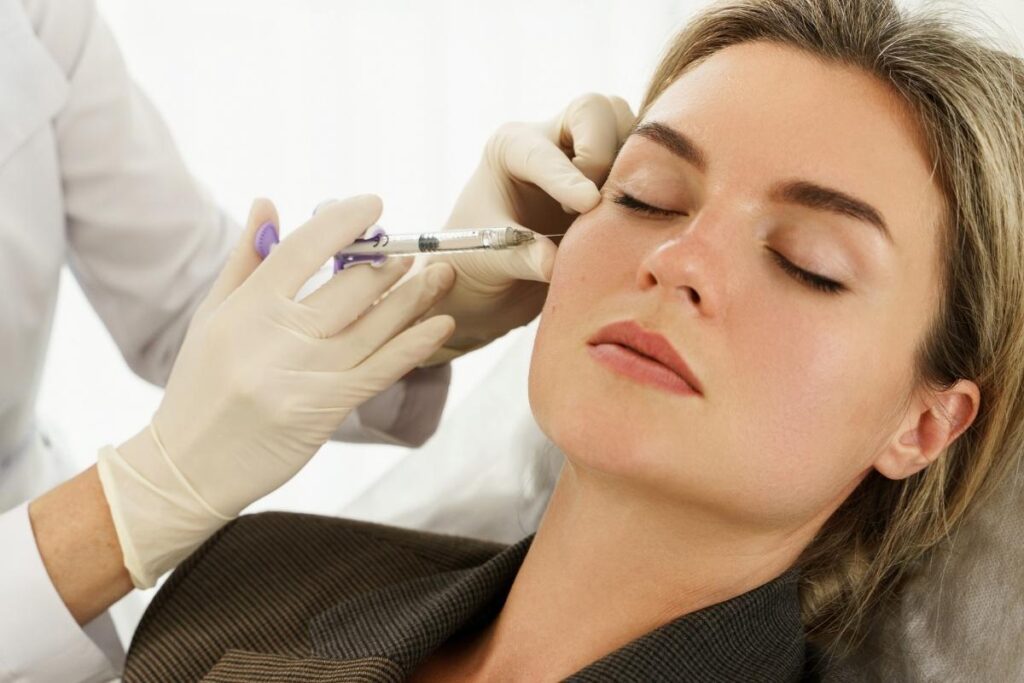
Is Aesthetics the Right Career Move For You?
There is no single pathway into aesthetics.
Some nurses use aesthetics to create an additional income stream.
Others build thriving clinics.
Many combine nursing and aesthetics throughout their careers.
What matters most is:
- Choosing quality education
- Building skills gradually
- Prioritising patient safety
- Continuing professional development
The aesthetics industry offers exciting opportunities for nurses willing to invest in themselves and their future.
Start Your Aesthetics Journey Today
If you’re a newly qualified nurse considering a future in aesthetics, there has never been a better time to start.
Popular beginner-friendly courses at You Can Clinic include:
✔ Skin Boosters
✔ Microneedling
✔ Polynucleotides
✔ Peri-Orbital Rejuvenation
✔ Medical Management of Hair Loss
With expert training, hands-on experience, and ongoing support, your nursing qualification can become the foundation for a rewarding career in aesthetic medicine.
Ready to Begin?
Explore upcoming beginner aesthetic courses at You Can Clinic and discover how your nursing career can evolve into an exciting future in aesthetics.
Frequently Asked Questions
Can newly qualified nurses work in aesthetics?
Yes. Newly qualified nurses can move into aesthetics after completing recognised professional training and securing appropriate insurance.
What are the best beginner aesthetic courses for nurses?
Microneedling, dermaplaning, skin boosters, and regenerative treatments such as polynucleotides are excellent starting points.
Should newly qualified nurses work part-time in aesthetics?
For many nurses, starting part-time while continuing NHS or private healthcare work is a practical and lower-risk option.
Do newly qualified nurses need insurance for aesthetics?
Yes. Professional insurance is essential before independently treating patients and usually requires recognised training certificates.