Prof JS Davies MD FRP, Consultant Endocrinologist and Aesthetic Trainer, You Can Clinic
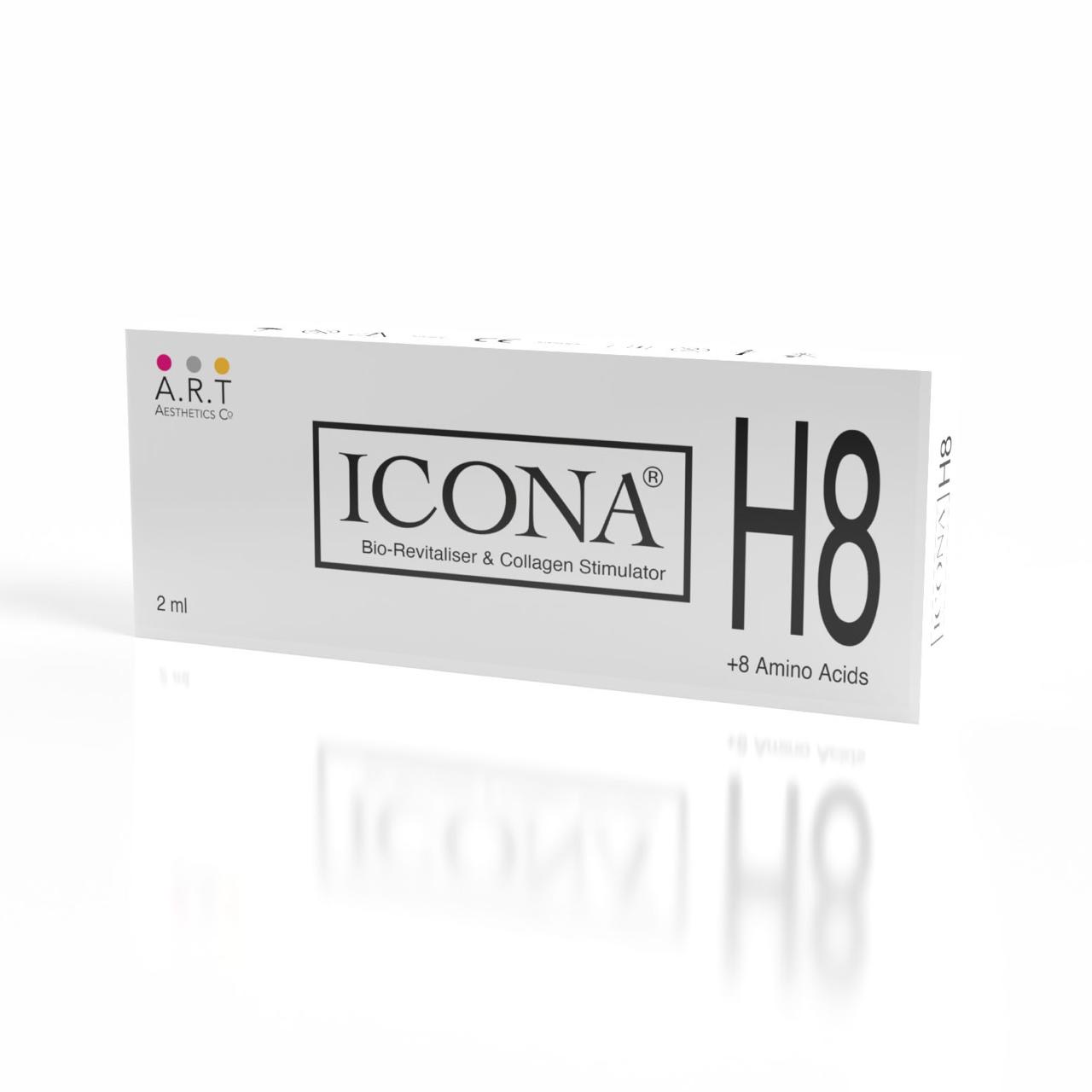
In clinical aesthetic practice, selection of injectable skin boosters hinges not only on hyaluronic acid (HA) content and hydration profiles but also on its capacity to address ageing biology beyond tissue hydration alone. This is an important part of the patient profile that I’m sure we are all familiar with. While Profhilo remains a proven and widely utilised HA-based bio-remodelling agent, with a robust safety profile and well-described clinical effects, my preference as an experienced aesthetic practitioner is increasingly toward ICONAH8 principally because its multi-component formulation does the above as well as offering greater regenerative potential. (https://iconauk.com/)
Understanding the Mechanisms: Profhilo vs Skin Boosters
Profhilo is formulated as an ultra-pure hyaluronic, delivering high concentrations of both high- and low-molecular-weight HA. When injected, this spreads beneath the skin to attract water molecules, intensely hydrate tissues and stimulate collagen/elastin synthesis via fibroblast activation, which supports improved elasticity, firmness, and overall skin quality.
So, it’s a great monocomponent HA system — its principal activity is to saturate the dermis with HA and trigger bio-remodelling cascades. But, it does not inherently deliver additional products that would support cellular metabolism or antioxidative support.
ICONA H8: A Multi-Factorial Bio-revitaliser
In contrast, ICONA H8 combines hyaluronic acid with a curated blend of essential amino acids and vitamin C, establishing a broader biological impact on the ageing dermis.
Dual-Action HA with Nutrient Support:
ICONA H8 uses the same concentrations of both high- and low-molecular-weight HA as Profhilo, but crucially it pairs these with 8 amino acids (including glycine, proline, lysine, arginine, threonine, isoleucine, leucine and valine) that serve as substrates for collagen and elastin biosynthesis and support cellular repair and resilience directly at the cellular level.Vitamin C as an Antioxidant and Collagen Co-Factor:
As we know, Vitamin C is a potent antioxidant and co-factor for enzymes that stabilise newly synthesised collagen fibres. Its inclusion in ICONA H8 not only helps to mop up the damaging free-radicals contributing to skin ageing but also enhances collagen maturation.Synergistic Regenerative Biology:
Together, the additional amino acids and vitamin C provide building blocks and co-factors that work in synergy with HA’s hydrating and fibroblast-stimulating actions — potentially translating to deeper tissue quality improvement (elasticity, texture, radiance) and more robust anti-ageing effects than HA alone.
Clinical Utility and Practitioner Perspective
From a practitioner standpoint, these formulation differences matter because:
Enhanced Cellular Support: The supply of amino acids and vitamin C may enhance dermal matrix synthesis directly, rather than indirectly via fibroblast stimulation alone.
Broader Anti-Aging Scope: Beyond hydration and elasticity, ICONA H8 supports tissue antioxidant capacity and structural protein synthesis, aligning with modern regenerative aesthetic goals.
Versatility in Treatment Planning: In patients with early to moderate signs of ageing — fine lines, dull texture, crepiness — this multi-factorial approach can often produce more nuanced improvements in skin health and radiance.
ICONA H8 has also been developed by a UK-based pharmaceutical company, aligning with rigorous quality standards and, as such, was Highly Commended at the recent prestigious Safety in Beauty Awards, underscoring its recognition within the professional community for safety and efficacy. (Instagram)
Conclusion
While Profhilo remains an excellent option for deep hydration and stimulation of dermal remodelling through high-dose HA, ICONA H8’s additional nutrient-HA formulation makes it my preferred choice for comprehensive skin revitalisation. Its inclusion of vitamin C and essential amino acids complements HA’s hydrating and bio-remodelling actions with direct biochemical support for collagen/elastin production and antioxidative defence — a combination that aligns with contemporary, science-grounded anti-ageing objectives in medical aesthetics.