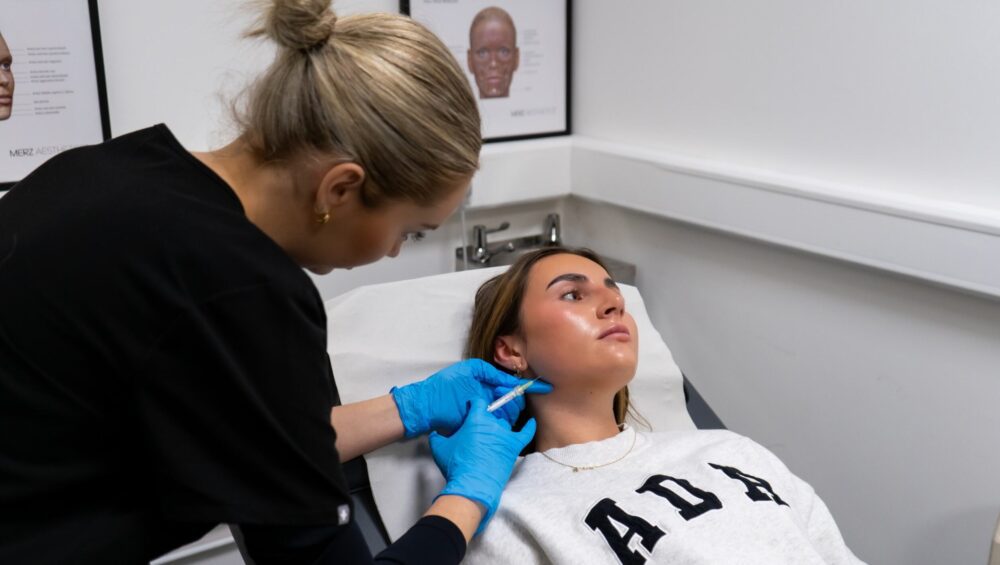
Prof Steve Davies, Consultant Endocrinologist, Aesthetic Dr and Medical Director, You Can Clinic Cardiff.
For many HCPs, the specialty of medical aesthetics offers an exciting and rewarding extension to their NHS work. Whether you are a nurse, midwife, dentist, pharmacist or Dr, aesthetics can provide professional autonomy, flexible working patterns and the opportunity to build a patient-centred business. Whilst you know that its something you should be doing, starting off is often confusing and anxiety-inducing. This article is aimed to guide you on your successful journey to becoming an aesthetic practitioner, as its easier than you may think.
Why Consider a Career in Aesthetics?
Aesthetics is one of the fastest-growing sectors in healthcare. Patients are increasingly seeking evidence-based, medically-led treatments that enhance skin health, confidence and wellbeing. As a healthcare professional, you already possess many of the core skills required for success in aesthetics: pharmaceutical knowledge, consultation skills, risk assessment, infection control and professionalism.
Aesthetics also offers flexibility that is often difficult to achieve in traditional healthcare roles. Many practitioners begin part-time alongside NHS or private clinical work, gradually developing their practice as confidence and experience grow. Financially, aesthetics can be highly rewarding, but for most clinicians, the real appeal lies in delivering visible, patient-satisfying outcomes and having control over how and when they work.
Is Aesthetics Safe to Practise?
Safety is rightly one of the main concerns for clinicians considering aesthetics. When performed by appropriately trained healthcare professionals, aesthetic treatments are very safe, ethical and satisfying for patients. The key lies in education, governance and ongoing professional development and selecting the right courses to get you started and feel confident is of vital importance.
Getting Started: Aesthetic Courses to Focus On
Recent guidelines from the JCCP make it such that aesthetic practitioners undertaking prescribable injectable treatments such as Botulinum Toxins should be a prescriber. So, if you are able to prescribe, then the Introduction to Botulinum Toxin is a good starter course. This is a great course as it focuses on the upper face which is one of the commonest treatment requested by patients and very safe to undertake with appropriate training.
If, you are not a prescriber then don’t worry, there are other courses that are again very safe, popular and excellent starting points:
- Skin Booster Courses
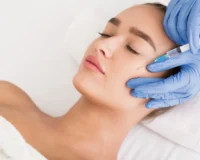
Skin boosters are increasingly popular injectable treatments that improve hydration, texture and skin quality. They offer subtle, natural-looking results and are suitable for a wide patient demographic. These treatments are an ideal entry point into injectable aesthetics while maintaining a strong focus on skin health. The injection is only delivered at a maximum depth of 4mm (delivered using a 4mm needle!) so goes into the dermis. Thus, its easy to do, is associated with high patient satisfaction as it improves the skin and avoids the complications associated with deeper fillers. This is a great course to begin. View our Skin Boosters course
- Microneedling/Dermaplaning Courses
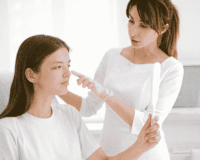
Microneedling is a versatile and well-established treatment used to improve skin tone, scarring and signs of ageing. It is device-based, highly marketable and integrates well with other aesthetic and skin treatments. For new practitioners, microneedling builds confidence in skin anatomy and treatment planning. Again it is a very safe treatment and easy to learn.
- Chemical Peel Courses
Chemical peels remain a cornerstone of aesthetic skin practice. They are effective, evidence-based and suitable for a wide range of concerns, including pigmentation, acne and ageing. Again, this treatment improves the quality of the skin, is technically simple and safe. Training in chemical peels develops your understanding of skin physiology and treatment layering, which is essential as you progress in aesthetics.
These treatments allow non-prescribers to begin generating income, building a patient base and developing consultation and business skills while remaining firmly within a safe scope of practice.
Why start your aesthetics training with the You Can Clinic
The You Can Clinic has built an excellent reputation for supporting healthcare professionals from their very first aesthetic course through to developing successful, sustainable businesses. We have trained over 2000 HCPs across South Wales and helping them grow from novices to competent aesthetic practitioners.
Beyond technical skills, the clinic is known for mentoring, business guidance and ongoing support. Take a look at our trainers as well as many of our trainees who credit the You Can Clinic with helping them move from having no aesthetic experience to running profitable clinics with strong reputations for safety and results.
Final Thoughts
Aesthetics is not about stepping away from healthcare—it is about applying your clinical skills in a new, patient-focused and innovative way. With the right training, strong ethical standards and support from a reputable provider like the You Can Clinic in Cardiff, aesthetics can be a safe, fulfilling and financially rewarding addition to your professional career.