For over a decade, aesthetic medicine has been largely defined by one dominant approach: volumisation. Dermal fillers reshaped faces, restored lost structure, and delivered fast, visible results. But today, a clear shift is underway—one that reflects a more informed, discerning patient.
The new priority? Skin quality over structural change.This evolution is not about replacing fillers altogether. It’s about redefining what “looking better” means.
From Volume to Vitality: A Changing Patient Mindset
Patients are no longer simply asking, “How do I look younger?”They’re asking, “How do I look healthier, fresher, and more like myself?”This shift has been driven by several factors:A move toward natural, undetectable results Greater awareness of long-term skin health Concerns about overfilled or unnatural outcomes Increased demand for preventative and regenerative treatments
Recent industry commentary highlights this transition clearly—treatments that stimulate the skin’s own repair mechanisms are rapidly gaining popularity because they improve appearance without altering facial structure. In short, the goal is no longer to add, but to restore.
The Limitations of Volumisation Alone
Dermal fillers remain an important tool in aesthetic medicine. They restore lost volume, enhance contours, and can deliver immediate results.However, they do not address the underlying issue: The quality of the skin itself Ageing is not just about volume loss—it’s about:
- Reduced collagen and elastinThinning dermal structureDehydrationDeclining cellular activity
Filling a structure without improving the foundation can only go so far.This is where the next evolution begins.
Enter Regenerative Aesthetics
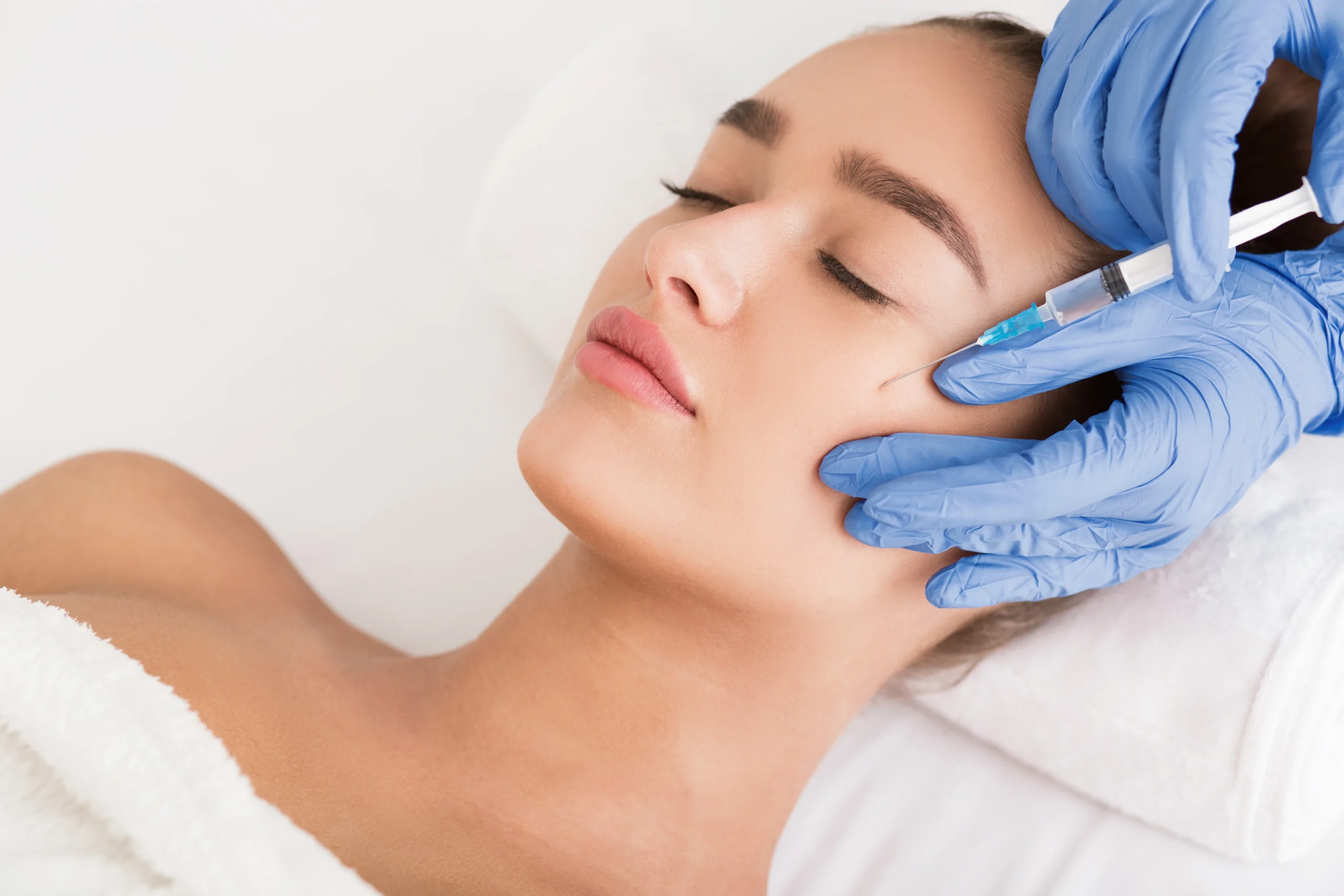
Regenerative aesthetics represents a fundamental shift in approach—from correction to biological stimulation.Instead of placing product to create change, these treatments:
- Activate the body’s natural repair processesImprove cellular functionStrengthen the skin from within
This category includes biostimulators, skin boosters, and increasingly, polynucleotides—one of the fastest-growing innovations in the field.
What Are Polynucleotides?
Polynucleotides (PN) are naturally derived molecules—fragments of DNA—that play a key role in cellular repair and regeneration.When used in aesthetic treatments, they act as biostimulators, meaning they don’t add volume. Instead, they signal the skin to rebuild itself.Once injected, they work by:
- Stimulating fibroblasts to produce collagen and elastin Improving hydration by binding water within the skin Reducing inflammation and supporting healing Strengthening the extracellular matrix
The result is not an immediate transformation—but a progressive improvement in skin quality:
- Smoother textureIncreased elasticityEnhanced radianceStronger, more resilient skin
Why Patients Are Choosing Polynucleotides
Polynucleotides align perfectly with modern patient expectations.
1. Natural ResultsThey improve how the skin functions, rather than how it is shaped—creating subtle, authentic outcomes.
2. Regenerative ActionUnlike fillers, which add volume, polynucleotides encourage the skin to repair itself at a cellular level.
3. VersatilityThey can be used in areas where filler may be less suitable, such as:
- Under-eyesThin or crepey skinNeck and décolleté
4. Preventative & CorrectiveThey are equally valuable for:
- Early intervention (preventative ageing)Restoring compromised or ageing skin
5. Complementary, Not CompetitiveImportantly, polynucleotides are not a replacement for fillers. Many practitioners now use them together—improving skin quality first, then refining structure where needed.
A Different Kind of Result
One of the most important shifts for both patients and practitioners is expectation.Polynucleotides don’t deliver:
- Instant volumeImmediate transformation
Instead, they offer:
- Gradual improvement over weeksLong-term skin health benefitsResults that look like better skin, not treated skin
This subtlety is precisely what modern patients are seeking.
The Future of Aesthetic Medicine
The rise of polynucleotides reflects a broader movement within the industry:From intervention → to regeneration From correction → to optimisation From visible change → to invisible enhancement As demand continues to grow for treatments that prioritise skin integrity, longevity, and natural outcomes, regenerative injectables are becoming a cornerstone of modern aesthetic practice.
Introducing a New Generation of Regenerative Treatments
Within this evolving landscape, advanced polynucleotide technologies are setting new standards for what skin-focused injectables can achieve.The ICONA® Pn range represents this next step—designed as a non-volumising, regenerative platform focused entirely on improving skin quality through targeted biological stimulation.Built around a philosophy of repair, restoration, and reinforcement, it reflects exactly where aesthetic medicine is heading: Healthier skin. Natural results. Long-term outcomes.