Why Choose
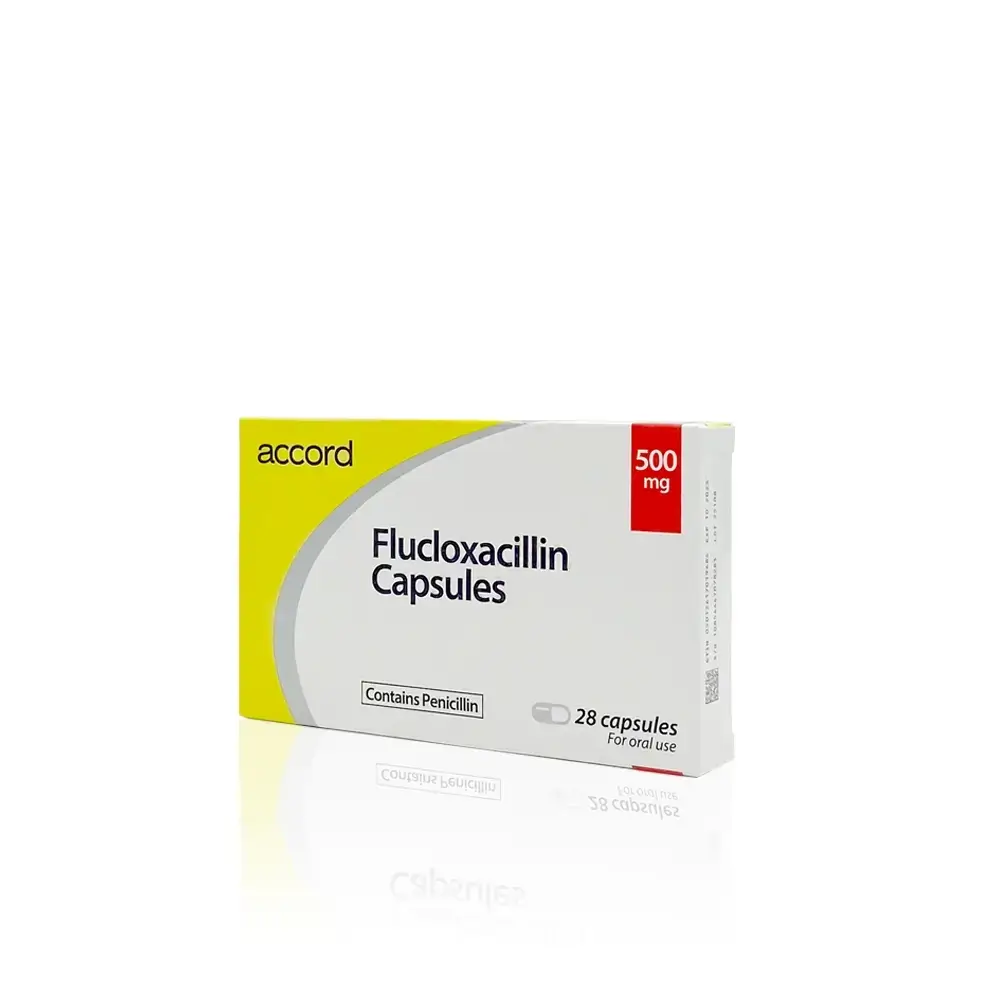
Flucloxacillin is widely recognised in medical aesthetics for its targeted effectiveness against bacteria commonly implicated in post-injection, post-filler, and post-procedure skin infections.
Aesthetics practitioners appreciate its:
-
Dependability in managing superficial skin infections
-
Appropriateness for infections linked with staphylococcal contamination
-
Long-standing use in dermatology and wound-related care
This makes it a practical choice for clinicians who require a robust, focused antibiotic option as part of their complication-management protocol.
Common Uses
Qualified prescribers may use Flucloxacillin 500mg when treating bacterial complications associated with:
-
Post-injection infection
-
Post-filler skin infection or erythema with suspected bacterial involvement
-
Cellulitis at the treatment site
-
Infected wounds following minor aesthetic procedures
-
Abscesses or pustules caused by susceptible bacteria
Use must always follow a clinical diagnosis and prescribing assessment.
How It Works
Flucloxacillin is an isoxazolyl penicillin designed to resist breakdown by beta-lactamase enzymes. It works by:
1. Inhibiting Bacterial Cell Wall Synthesis
It prevents bacteria from forming stable cell walls, leading to their destruction.
2. Remaining Effective Against Resistant Bacteria
Its beta-lactamase resistance helps it remain active against penicillinase-producing staphylococci—commonly found in skin-based infections.
This makes Flucloxacillin especially suitable for infections related to compromised skin integrity, including those occasionally seen in aesthetic medicine.