Why Choose
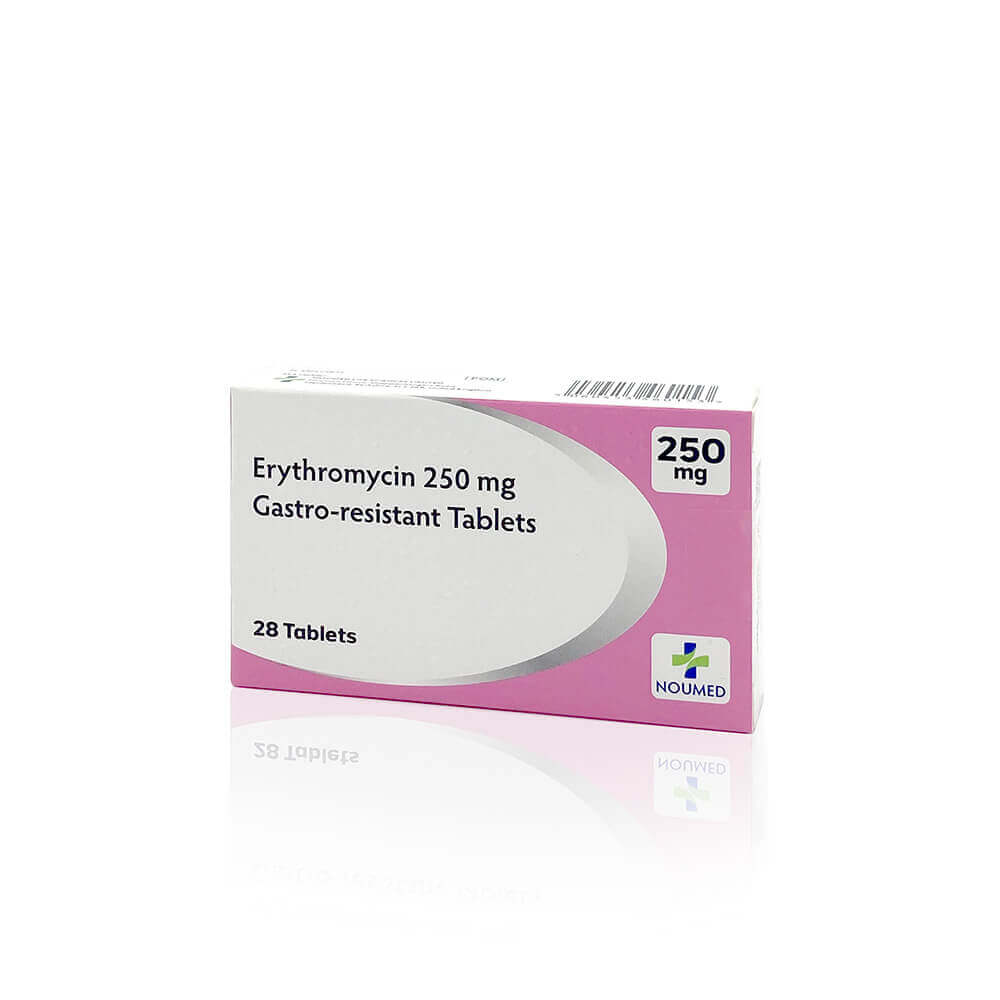
Erythromycin is widely used in dermatology and aesthetic complication management due to its:
-
Effectiveness against common skin pathogens
-
Suitability for penicillin-allergic patients
-
Proven record in managing soft tissue infections
-
Anti-inflammatory actions, which can support recovery where infection triggers redness or swelling
For practitioners offering dermal fillers, injectables, microneedling, or skin treatments, Erythromycin provides a safe and reliable option when specific bacterial infections are suspected.
Common Uses
Qualified prescribers may use Erythromycin 250mg for:
-
Soft tissue infections at injection sites
-
Post-treatment skin infections following microneedling or chemical procedures
-
Infected lesions, pustules, or localised bacterial flare-ups
-
Cases where penicillin-based antibiotics are not suitable
-
Mild to moderate bacterial complications involving the face or body
How It Works
Erythromycin is a macrolide antibiotic that works by:
1. Inhibiting Bacterial Protein Synthesis
It binds to bacterial ribosomes, preventing the production of essential proteins needed for growth and survival.
2. Suppressing Infection-Causing Bacteria
This action either slows bacterial growth (bacteriostatic) or leads to bacterial death, depending on the concentration and organism.
3. Reducing Associated Inflammation
Its anti-inflammatory effects can help relieve redness or irritation around infected sites.
This makes it especially useful for soft-tissue infections commonly encountered in aesthetic practice.